
Southeast Asian Electricity Market: From Demand Growth to Equipment Procurement
November 20, 2026
Southeast Asia has quietly emerged as one of the world’s most important electricity markets. The region’s electricity demand is growing at approximately twice the rate of overall energy consumption. Under the current policies, the International Energy Agency (IEA)1 predicts that regional total energy investment will increase from approximately $100 billion in 2025 to $130 billion in 2035 (IEA, Southeast Asia Energy Outlook 2026). For suppliers of switchgear, grid-connected cabinets, and distribution equipment, the region is no longer just an emerging opportunity but a core market.
Southeast Asian Electricity Market: Key Growth Drivers and Investment Trends
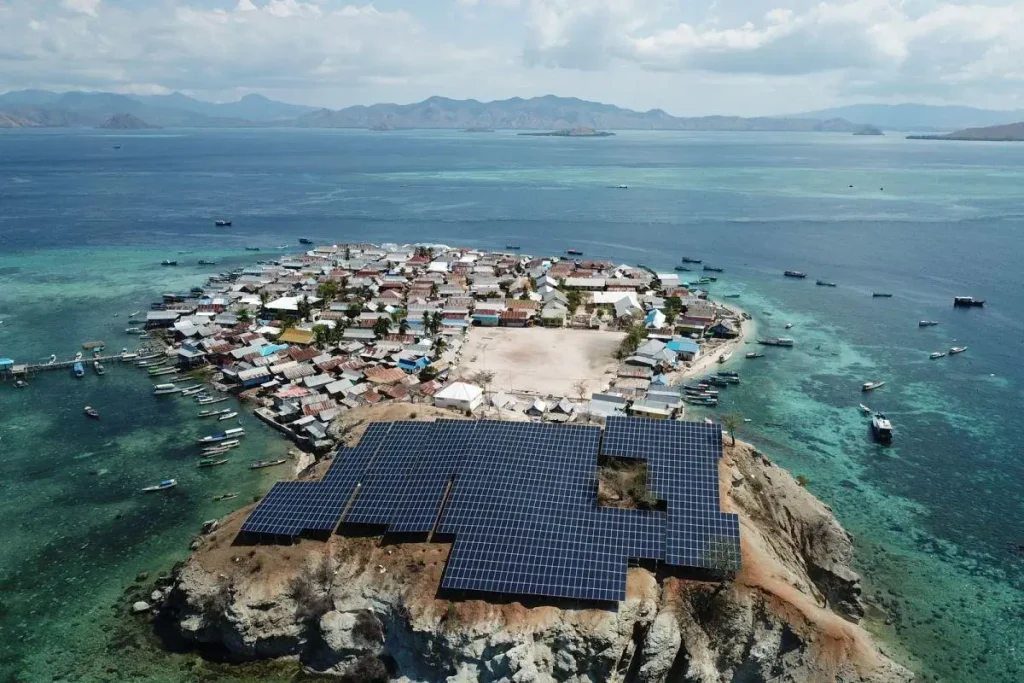
Three Major Drivers of Regional Growth
• Rapid Total Growth. Since 2015, regional electricity demand has grown by over 70%. The IEA projects it will still grow by approximately 2.4 times by 2050. Vietnam has the fastest power generation growth, with a compound annual growth rate of about 8% from 2014–2024; Indonesia remains the region’s largest electricity market.
• Cooling Load. Rising air conditioner ownership in tropical regions has doubled cooling demand since 2015, accounting for about 13% of regional electricity consumption and reshaping peak load curves.
• Industry and Data Centers. Industrial electricity demand is projected to increase from approximately 650 TWh in 2025 to 900 TWh in 2035, driven by manufacturing relocation, semiconductors, and data centers.
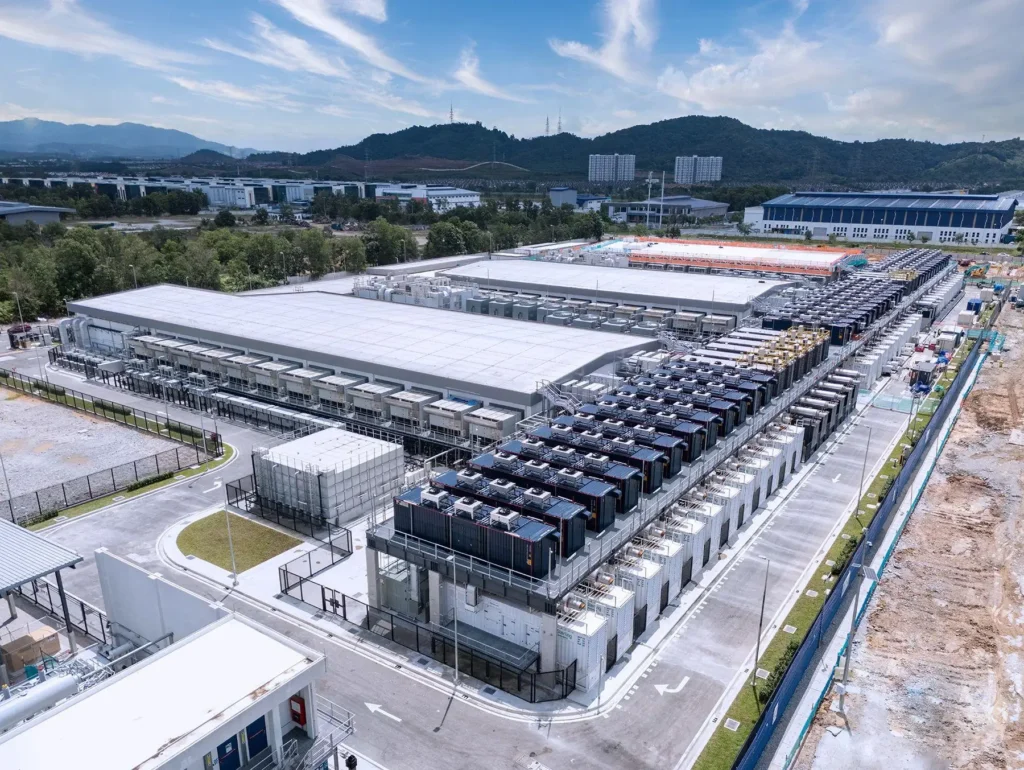
Data centers are growing even faster: the IEA predicts regional data center electricity demand will double by 2030. Singapore accounts for about 60% of installed capacity, but Malaysia, Indonesia, and Thailand are attracting the fastest new investments, including Google’s $1 billion data center plan in Thailand and AWS’s $5 billion regional commitment.
• Electrification of Transportation. Regional electric vehicle (EV) sales are expected to more than double by 2025, accounting for nearly 20% of new car sales, with Vietnam, Indonesia, and Thailand leading. Vietnam is the most aggressive, with electric vehicles making up about a third of new vehicle sales; the IEA projects its EV sales share could exceed 80% by 2035.
Investment Trends and Market Opportunities
According to the IEA, Southeast Asia’s transmission and distribution network length will need to more than double by 2050. Grid and storage investment must increase from the current approximately $13 billion per year to $23 billion per year by 2035, and could reach $50 billion per year by 2050 if announced commitments are fulfilled. Total investment needs for transmission and distribution from 2026–2040 exceed $320 billion. As a reference for market revenue, the regional transmission and distribution market is projected to grow from $62.26 billion in 2026 to $95.75 billion in 2031.
Three Key Southeast Asian Electricity Markets: Vietnam, Indonesia, and Malaysia
This article selects Vietnam, Indonesia, and Malaysia—three typical Southeast Asian countries—to analyze the current state of electricity demand and electrical procurement logic in the Southeast Asian market.
Vietnam: Rapid Grid Expansion and Strict Certification Requirements
In the first half of 2026, Vietnam’s power generation and imports reached 171.5 TWh, a year-on-year growth of 9.85%, with a record system peak of 57,537 MW (EVN2). The Ministry of Industry and Trade predicts3 demand growth of 10%–12% in 2026, up to 15% in extreme scenarios, and warns of potential shortages starting in 2027 if generation and transmission investments lag. Investment needs for 2026–2030 are approximately $136.3 billion, including $1.81 billion specifically for transmission.
Grid-side tasks are clear: over 28,000 km of 500 kV and 220 kV lines and over 1,000 transmission projects to be built by 2025–2030; battery storage targets raised from 300 MW to 10,000–16,300 MW by 2030.
GE Vernova4 announced a $200 million HVDC transformer factory in Hai Phong, and LS-VINA reported a 177% year-on-year growth in ultra-high voltage cable sales.
For procurement: Vietnam’s defining feature is “speed under constrained conditions”. Projects are advancing quickly, with transmission congestion previously limiting renewable development. Equipment not passing type testing is ineligible for bidding. Suppliers with long lead times risk losing opportunities. Certification preparation and delivery lead times are decisive competitive factors.
Indonesia: Large-Scale Grid Development and Climate Resilience
Indonesia combines industrial growth with electrification momentum. National electrification exceeds 99%, but service quality and distribution capacity on eastern islands remain insufficient. Indonesia has committed up to $38 billion to strengthen the national transmission network, including approximately 48,000 circuit kilometers of new lines over the next decade.
Its grid is geographically complex: fragmented island grids, submarine cables, long radial feeders, and weak receiving-end conditions, making grid strengthening slower and more expensive. Gigawatts of photovoltaic and geothermal projects on remote islands await grid connection.
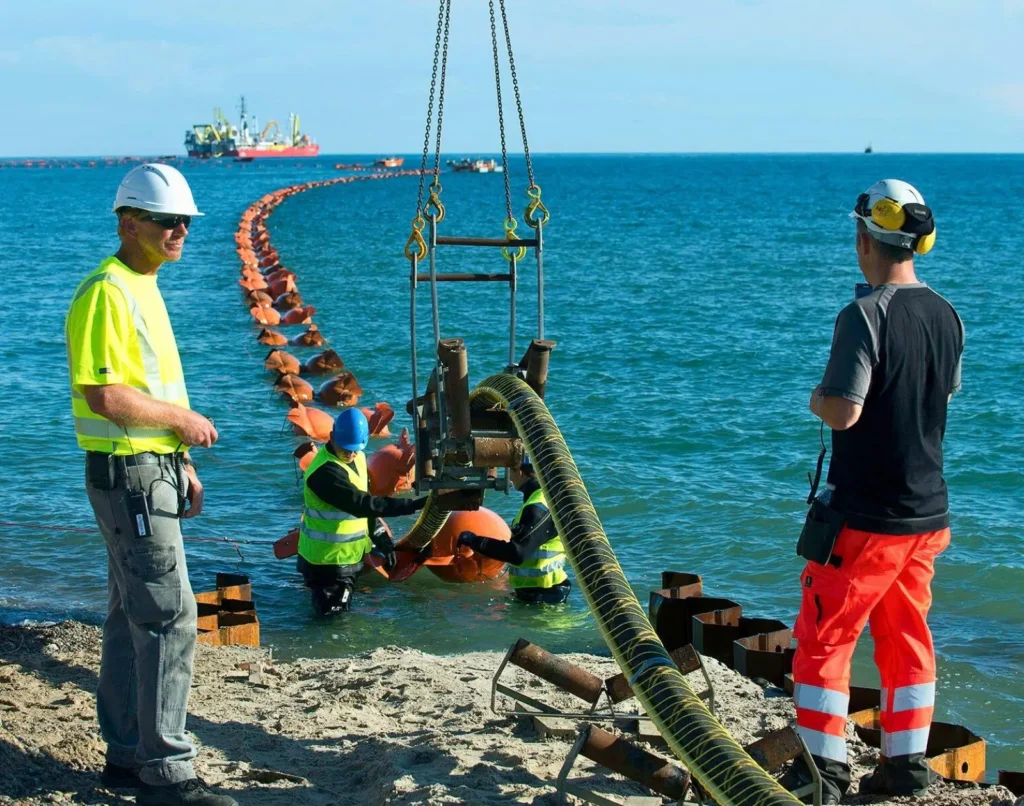
For procurement: Indonesia is a “scale + resilience” market. Switchgear and grid-connected equipment sent to island substations must withstand high humidity and salt spray. The logistics chains are long, and on-site maintenance capabilities are scarce. Sealed or semi-sealed designs, tropical environment-adapted components, and simplified maintenance offer advantages. For vendors capable of providing scalable certification and climate-adapted equipment, Indonesia is one of the largest-scale opportunities.
Malaysia: Data Center Growth and Rising Demand for Reliable Power
Malaysia is the region’s most concentrated area for data center load growth. TNB reported a record system peak of 32,014 MW in August 2026, with commercial and data center demand leading. FY2026 demand growth forecasts have been raised to 5%–6%. Data center actual electricity consumption has more than doubled year-on-year, with 61 access pipelines locked in, totaling a maximum demand of 8.35 GW, of which 42 projects (5.65 GW) have entered the system.
TNB maintains total capital expenditure of 18 billion ringgit for 2026 (13 billion for regulated business + 5 billion for non-regulated business), with grid reinforcement for data center power supply ranked alongside power security and energy transition as priorities.
The Lao-Thailand-Malaysia-Singapore Power Integration Project has moved into Phase II, making Malaysia a key link in the ASEAN grid.
For procurement: Malaysia’s procurement is shifting toward “predictable, high-capacity, fast grid connection.” Data center parks require high-breaking capacity medium-voltage switchgear, grid connection solutions, and delivery capabilities within tight schedules. If the 8.35 GW pipeline proceeds as planned, it will drive substation and grid connection equipment orders, but the pace depends on project commissioning. Document quality, type test reports, and local certification support significantly influence supplier selection.
Other Emerging Markets: Thailand and Singapore
Thailand is a focus for EV and data center new investments; Singapore is a mature data center market with high certification and reliability requirements. Both follow the same four criteria: certification, lead time, climate adaptation, and high reliability in the grid.
ASEAN Power Grid: Cross-Border Connectivity and Investment Opportunities
The ASEAN Grid5 requires approximately $27 billion in investment by 2040, 14 times the total interconnection investments since the 1970s, and has already secured initial financing commitments of $12.5 billion from the World Bank and Asian Development Bank.
The second phase of the Lao-Thailand-Malaysia-Singapore Power Integration Project has been launched, with Singapore planning to import up to 4 GW of low-carbon electricity by 2035. However, progress is uneven: only 9 out of 18 priority interconnection links have been commissioned, constrained by technical and regulatory coordination challenges; historical interconnection investments have primarily flowed into one-way ‘generation-transmission’ projects, while future pipelines will be more two-way, grid-to-grid, and include submarine cable projects.
Each interconnection project, regardless of its location, terminates at a switching station equipped with switchgear and protection devices. Nevertheless, the $27 billion represents a strategic increment relative to the $320 billion overall transmission and distribution market, with equipment demand still predominantly driven by country-specific transmission, distribution, and network construction.
Five Key Points for Procurement
- New construction dominates, with retrofits coexisting. New substations, feeders, and connection points are the main focus, with demand concentrated in standardized, certified medium-voltage equipment: switchgear, grid-connected cabinets, ring main units, and prefabricated substations. Concurrently, retrofitting needs arise from eastern Indonesia’s distribution, weak grids in the Philippines, and transmission congestion relief in Vietnam.
- Delivery time is a competitive factor, not specifications. Vietnam’s schedule pressures, Malaysia’s data center rush, and Indonesia’s scale of business dislike long lead times. Suppliers with inventory and production flexibility have an advantage
- Climate adaptation must be verified by standards. Tropical humidity, salt spray, dust, and typhoon exposure are inherent conditions. Buyers should request IEC 62271/IEC 61439 test reports and ensure additional verification covers derating at elevated temperatures, humidity ratings, salt spray and corrosion resistance, and protection levels.
- Weak grid performance must be specified. Most regional growth occurs on low short-circuit capacity island grids, requiring equipment to stably interrupt, close, and coordinate protection at fault levels lower than continental norms. Attention should be paid to rated short-circuit withstand capability, breaking capacity, insulation coordination, capacitive current breaking, and protection setting ranges.
- Certification is the entry ticket. National type approval and IEC 62271/IEC 61439 test reports are prerequisites, not just added benefits, and should be initiated early.
Conclusion
A region with power demand growing by approximately 2.4 times by 2050, doubling grid length, and investing over $320 billion in transmission and distribution this decade will drive demand for most medium and low-voltage switching and distribution equipment categories. However, order distribution depends on country-specific project timelines, certification, delivery capabilities, and weak grid performance. For buyers and suppliers alike, the question is not “Is there demand?” but ” Who can deliver on certification, delivery time, climate adaptation, and weak grid performance?”
At SSEVOLT, we manufacture medium- and low-voltage switchgear and grid connection solutions for power utilities, renewable projects, and industrial users worldwide. Contact our engineering team for project-specific selection support, or subscribe to our industry insights for ongoing analysis of global grid investment trends.
References
- IEA, Southeast Asia Energy Outlook 2026 — Executive summary (2026). https://www.iea.org/reports/southeast-asia-energy-outlook-2026/executive-summary
- Vietnam Electricity (EVN) / Reuters, “USD 136.3bn investment wave opens a historic opportunity for Vietnam’s energy equipment market” (October 2026). https://www.vietnampolicystudies.org/news/26.9-03.10.2026
- Vietnam Ministry of Industry and Trade, power supply outlook and shortage warnings 2026–2030 (via Tuoi Tre News, September 2026). https://dtinews.dantri.com.vn/vietnam-today/ministry-warns-of-power-shortages-from-2027-20260912222106980.htm
- Gridwatch, “GE Vernova announces USD 200 million HVDC transformer manufacturing facility in Vietnam’s Hai Phong” (March 2026). https://gridwatch.ph/ge-vernova-announces-usd200-million-hvdc-transformer-manufacturing-facility-in-vietnams-hai-phong/
- ASEAN Market Research, “The ASEAN Power Grid moves from vision to cross-border reality” (September 2026). https://aseanmarketresearch.com/insights/articles/the-asean-power-grid-moves-from-vision-to-cross-border-reality