
What Surging Power Demand Means for Electrical Equipment Markets
November 15, 2026
The global power industry has experienced slow and steady electricity demand growth in the last two decades. That time is gone now. On the one hand, data centers, industrialization, and end-use electrification are driving electricity demand to unprecedented levels; In contrast, the pace of grid expansion is relatively slow, leading to a large number of projects unconnected. According to statistics from the IEA1, today over 2,500 GW of renewable energy, large-load, and storage projects are stuck waiting for grid connections globally.
The spare generating capacity in the U.S. for the entire power system is estimated to be only about 26 GW, or about 3% of the total capacity2. That means there is basically no cushion left in the fastest-growing regions. Meanwhile, household electricity prices, which have already increased a lot, are expected to keep rising because demand is growing faster than the infrastructure build-out.
The focus in the energy sector is no longer about generating power cheaply because solar and wind have greatly solved that. It is about delivering power. And actually, wherever grid investment flows, demand flows for electrical equipment: switchgear, grid connection cabinets, distribution panels, and protection systems. This article examines the global forces behind the grid investment supercycle, and what they mean for equipment buyers and project developers.
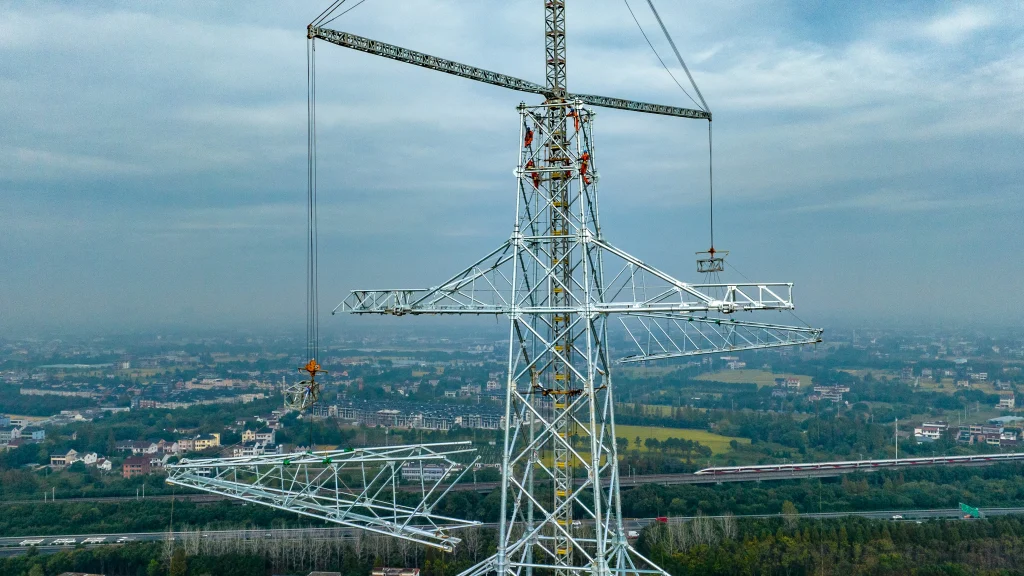
Why Global Power Demand Is Developing Rapidly
Three structural forces are driving electricity demand to levels not seen before.
Data centers and AI. After roughly twenty years of flat demand, the explosion of AI data centers has fundamentally changed the curve of power demand3. Data centers can be built in one to three years, but the transmission lines serving them take a decade or even longer to permit and build.

Industrialization and urbanization. In emerging markets across Africa, Southeast Asia, Central Asia, and Latin America, rising incomes, manufacturing growth, and expanding cities are pushing power consumption steadily upward. According to a report from the U.S. Department of Energy, even the mature U.S. system must add resources to serve approximately 200 GW of new peak demand by 20304. That figure is only a fraction of the capacity additions required in electricity. Even the United States requires such a scale of expansion, and the growth demand in emerging markets is even more substantial.
End-use electrification. Electric vehicles, heat pumps, and air conditioning are converting fuel demand into electricity demand, partly because of some international eco-friendly policies restricting fossil fuels. In hot climates such as Southeast Asia, air conditioning alone is reshaping the peak-load landscape and forcing distribution network upgrades.

Grid Investment Is Now a Global Priority
The scale of investment in the grid is mind-boggling. According to the IEA, annual grid investment needs to grow by almost 50% from the current USD 400 billion level at a time when the price of key grid components has nearly doubled in the past five years.
The industry is pursuing two strategies simultaneously.
Track one: build new capacity. New transmission corridors, substations, and distribution networks continue to be critical, especially in fast urbanizing areas with expanding grid coverage. The problem is time. It takes 5 to 15 years to plan and build grid infrastructure.
Track two: unlock existing capacity. Another strategy to release electricity is to squeeze more from grids that already exist. The IEA estimates that regulatory reforms and grid-enhancing technologies, such as dynamic line ratings, advanced power flow control, topology optimization, and reconductoring, could free enough hosting capacity to connect about 1,200–1,600 GW of projects currently stuck in queues.
Why this matters for equipment buyers: Whether a project is a new substation, a renewable plant seeking connection, or a flexible-load facility, the point where it meets the grid needs to be equipped with switchgear, protection, and interconnection cabinets. Grid investment is abstract; Interconnection equipment is something concrete.
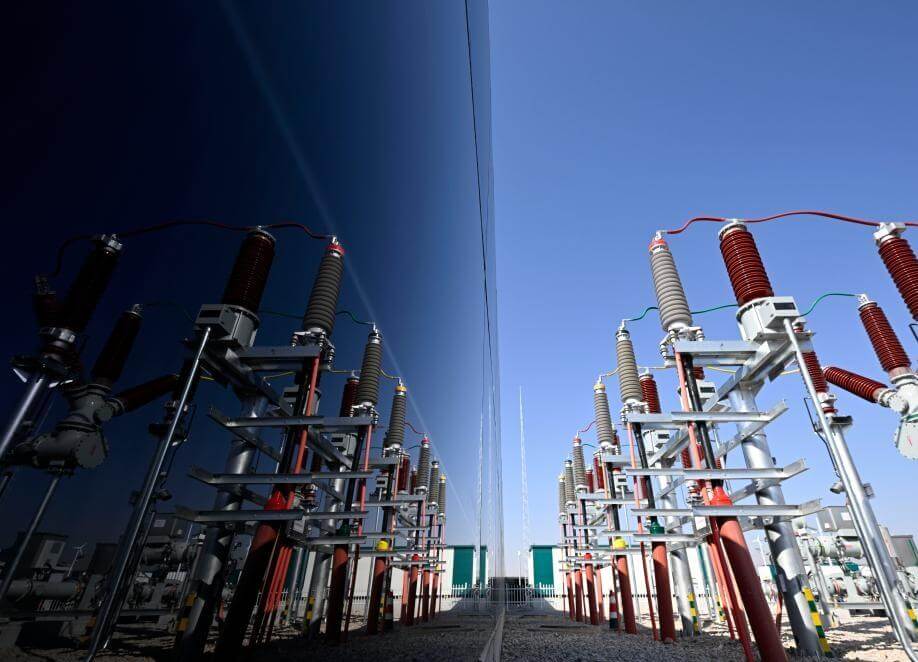
Why Delivery Capability Now Decides Procurement
The investment headlines mask a tougher truth: the world is short of grid equipment, and the people who deploy such devices are also insufficient.
Lack of equipment. The demand for power and distribution transformers has shot up since 2019, and the lead times are now several years. The US imports 80% of its power transformers and 50% of its distribution transformers, with domestic shortages of electrical steel and copper hampering production globally. The price of key grid components has almost doubled in five years (IEA).
Talent shortages. Capital does not build grids by itself. The global power sector will need an estimated 450,000 to 1.5 million additional engineers by 2030, and nearly half of existing power engineers changed jobs or left the industry in the past three years. Utilities are expected to spend a record of USD 1.3 trillion between 2026 and 2030. However, workforce and permitting are ranked as the least urgent agenda items, which are the two factors that actually decide the construction of projects.
The practical takeaway for buyers: In markets with long lead times and limited engineering support, it is increasingly the ability to deliver, rather than unit price, that determines purchase decisions. This delivery capability includes supplier inventory depth, production capacity, certification coverage, and technical response speed, as well as the ability to commission and connect to the grid in time. Customers are not just buying equipment; they are buying “capability to commission and grid connection”. This is the exact advantage that manufacturers with integrated supply chain and engineering support teams have over traders and brokers.
How Buyers Should Prepare for the Next Five Years
Based on the trends above, several principles will define successful grid and power projects through 2030:
- Plan for demand overshoot. Load forecasts have repeatedly underestimated data-center, industrial, and cooling demand. Specifying equipment with expansion space such as modular switchgear, spare panel positions, and upgradeable protection relays is cheaper than retrofitting later.
- Treat interconnection as a design principle, not an afterthought. With over 2,500 GW queued globally, grid operators are tightening connection requirements and adopting flexible arrangements. Equipment selected today must comply with evolving interconnection standards and support flexible operation.
- Expect capacity constraints to persist. Transformer and switchgear lead times, component prices, and engineering scarcity are structural and will last for a long time. Securing equipment slots and supplier commitments early would reduce the risk of projects.
- Value “equipment + engineering” partners. As grid constraints grow more technical — voltage management, protection coordination, flexible interconnection — suppliers who offer application engineering, not just hardware, shorten commissioning and reduce costly errors.
Conclusion
The world is entering the largest sustained investment cycle in grid history. Whether new-build or optimization projects, developed or emerging market, require one thing in common: reliable equipment at every point where power is switched, protected, and connected. For buyers, the winners in this cycle will be those who secure capable suppliers early. For suppliers, the opportunity belongs to those who can deliver.
At SSEVOLT, we manufacture medium- and low-voltage switchgear and grid connection solutions for power utilities, renewable projects, and industrial users worldwide. Contact our engineering team for project-specific selection support, or subscribe to our industry insights for ongoing analysis of global grid investment trends.
References
- IEA — “Grids,” Electricity 2026 (2026). https://www.iea.org/reports/electricity-2026/grids
- Spencer Ogden — “Why is the US power grid running out of spare capacity?” (2026). https://www.spencer-ogden.com/insights/why-is-the-us-power-grid-running-out-of-spare-capacity
- Yale Climate Connections — “America is hurtling toward a power grid crisis” (October 2026). https://yaleclimateconnections.org/2026/10/america-is-hurtling-toward-a-power-grid-crisis/
- U.S. Department of Energy, Office of Electricity — “Innovative Solutions for Grid Equipment Shortages” (2026). https://www.energy.gov/oe/articles/innovative-solutions-grid-equipment-shortages