
SSE-VOLT Electrical Equipment

Reliable Electrical Equipment Manufacturer for Power Distribution Systems Solutions

Switchgear / Grid-connected Cabinets/ Distribution Equipment / Project Support.

industry experience

Export Country

Finished Project

Satisfaction

SSE-VOLT company
Who WE ARE

Electrical Equipment Manufacturer & System Integrator

SSE VOLT is devoted to making every kilowatt work safer, smarter, and more efficiently for your business. We deliver integrated electrical solutions, from intelligent HV/LV Switchgear, Grid-connected Cabinets, Power Substations, and Energy-storage Cabinets to reactive power compensation, harmonic control, industrial automation, installation, and commissioning. Backed by system-integration capabilities with leading brands including ABB, Siemens, Schneider, and Eaton, SSE VOLT combines dependable equipment, practical engineering expertise, and responsive service to help you minimise electricity-related risks, enhance system performance, and keep your operations running smoothly, efficiently, and confidently. We look forward to collaborating with you on your projects.


Built around Different Purchasing Paths

A Clearer Route From Requirement to Delivery

Whether you are buying equipment, managing an EPC package, or checking technical compatibility, choose the support path closest to your role. SSE VOLT can help you move from an uncertain requirement to a clearer, more practical project plan.

Quality Electrical Products

Equipment selected for the way your power system must work

Start with the equipment category that matches your project. Then, the SSE VOLT team helps you define the correct scope, configuration, and documentation.
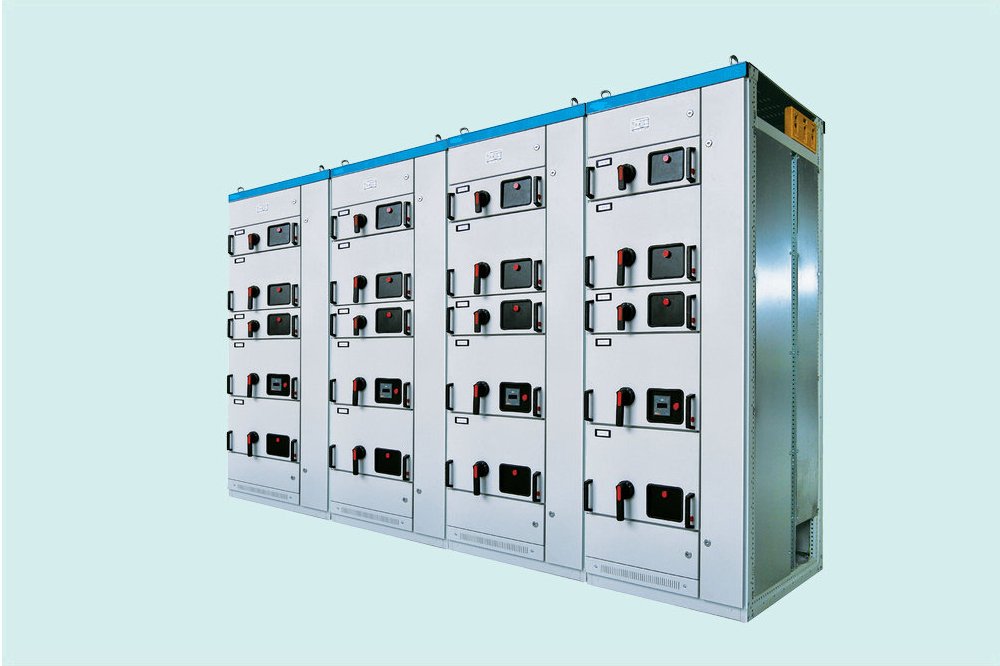
HV/LV Switchgear

HV/LV Switchgears

Power distribution equipment configured for industrial, commercial, infrastructure, and utility applications.

Verified: ISO9001, CE, QS
View More
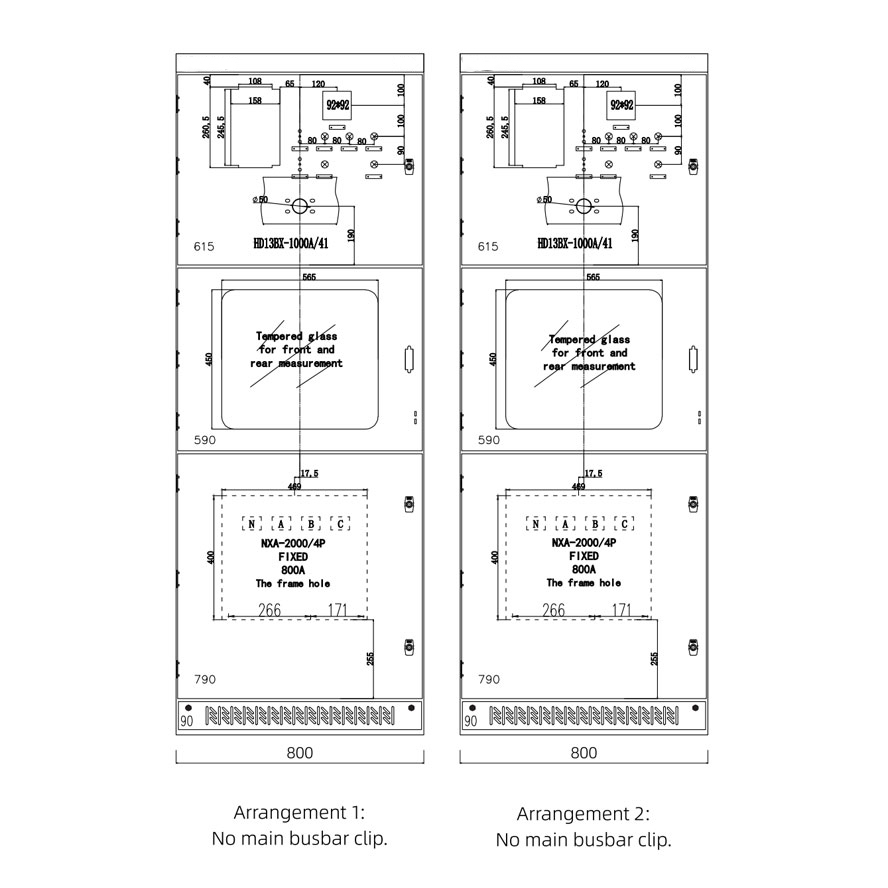
grid-connected cabinet

Grid-Connected Cabinets

Practical connection and protection solutions for solar, storage, industrial, and distributed-energy projects.

Verified: ISO9001, CE, QS
View More
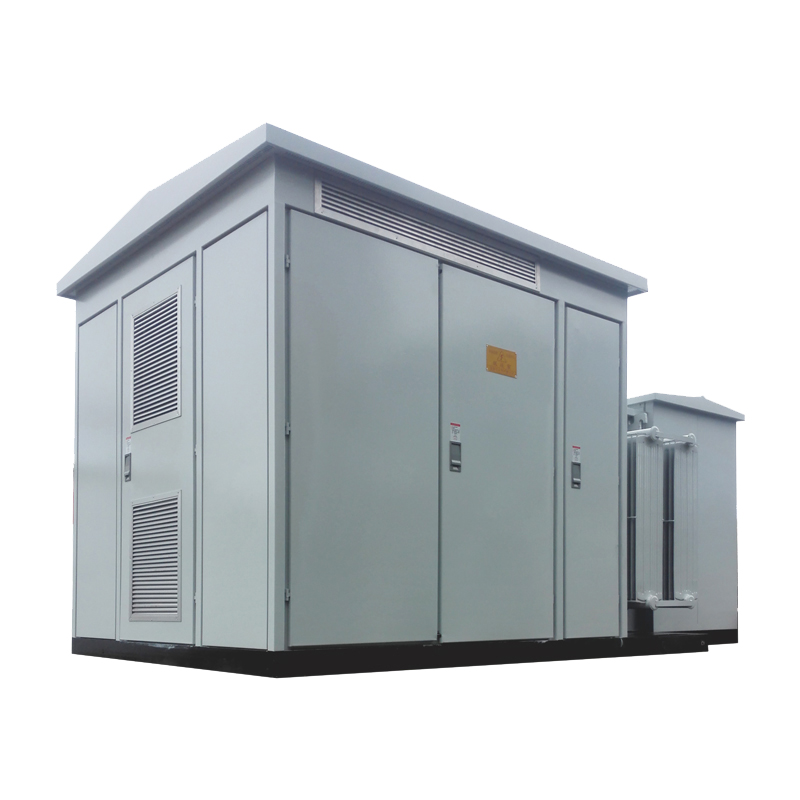
prefabricated substation

Prefabricated Substation

Integrated prefabricated substations supporting safe power conversion, distribution, protection, and operation.

Verified: ISO9001, CE, QS

View More
equipment integration

Equipment Integration

Intelligent electrical equipment integration for energy storage, power quality, and renewable energy applications.

Verified: ISO9001, CE, QS

View More

Engineered Power Distribution You Can Trust, Built for Reliable Projects.

SSE VOLT delivers integrated switchgear, grid-connected, substation and energy-storage solutions—from engineering and manufacturing to commissioning. Backed by proven global-brand integration expertise, we help reduce compatibility risk and support reliable power performance.

See How Reliable Power Systems Manufacturing

Explore SSE’s factory, integration process, and real project applications for manufacturing and commissioning to support dependable electrical system delivery.

Quality Starts with a Zero-Defect Standard

At SSE VOLT, quality is more than a final inspection—it is a commitment built into every order communication. As a system integrator working with leading electrical brands, our company doesn’t stop at “acceptable.” We aspire to a zero-defect mindset in every process, combining proven components, engineering know-how, and end-to-end service to deliver equipment you can customise with confidence and operate with peace of mind—switchgear, grid-connected cabinets, substations, and energy storage systems built for stable, controlled performance.


Call to Action
Siemens electrical equipment logo
General Electric partner brand logo
Eaton electrical components partner logo
Schneider Electric system integration partner
Alstom power equipment partner
ABB electrical components partner
testimonials

Trusted by Global Partners

Hear what our 2,000+ clients across 70 countries, OEM partners, and distributors say about SSE VOLT

  • SSE reviewed our single-line diagram carefully and delivered the switchgear package on schedule.
    EPC Contractor
    Marc, Vietnam
  • Their team understood our technical requirements and handled the FAT process professionally.

    Electrical Engineer
    Andrew, Brazil
  • The equipment matched the approved drawings, and the on-site commissioning support was useful.

    Procurement Manager
    Brooke, Zimbabwe
Frequently Asked Questions

FAQ for Electrical Equipment Procurement

For EPC contractors and project owners, buying switchgear or a transformer separately does not guarantee the complete power distribution system will operate safely. A reliable supplier should first review the single-line diagram, load profile, voltage level, short-circuit capacity, protection requirements, installation environment and local standards. The supplier should then coordinate switchgear, grid-connected cabinets, transformers, power-quality equipment, control systems and commissioning as one engineered solution. SSE covers the full scope, from equipment manufacturing and system integration to installation and on-site commissioning. This reduces interface risks between suppliers and provides one accountable technical contact throughout the project. Before placing an order, request a clear scope-of-supply list, an interface responsibility matrix, approved component brands, and a commissioning plan.

The main concern for overseas buyers is not simply whether the equipment looks well manufactured, but whether the internal components are traceable, compatible and suitable for long-term operation. A professional supplier should disclose the enclosure manufacturer, breakers, relays, meters, protection devices, busbar materials, insulation system and control components used in the project. The buyer should also request datasheets, type-test or routine-test records, wiring diagrams, component brand confirmation and serial-number traceability. SSE states that it integrates leading brands such as ABB, Siemens, Schneider and Eaton, but buyers should still require the exact model list and written approval before production. Brand integration alone is not sufficient; the supplier must demonstrate that protection coordination, communication protocols, rated current, short-circuit withstand, and spare-parts availability are fully compatible.

For an international electrical project, uncontrolled design changes can cause serious problems during installation and energisation. The supplier should establish a formal approval process covering technical specifications, approved drawings, bill of materials, protection settings, cable schedules, nameplates and communication interfaces. Production should include incoming-component inspection, busbar and wiring inspection, insulation checks, functional testing and routine testing before shipment. For larger EPC projects, allow the buyer to conduct a factory acceptance test or appoint a third-party inspector. Ask for an inspection and test plan that identifies the test method, acceptance criteria, responsible party and documentation delivered with the equipment. This creates objective evidence that the supplied equipment matches the approved design rather than relying only on photographs or verbal assurances.

Even correctly manufactured equipment can fail to operate properly if installation, cable termination, protection settings or interlocking logic are not handled correctly. Before shipment, the supplier should provide installation drawings, lifting instructions, foundation requirements, cable-entry details, terminal schedules, wiring diagrams, operation manuals and recommended commissioning procedures. During site work, the project team needs a defined escalation channel, response time and responsibility boundary for technical issues. SSE describes services that extend from manufacturing to installation and commissioning, which is important for projects where equipment integration and energisation must be coordinated. The buyer should confirm whether site support is included, optional or charged separately, as well as engineer availability, travel conditions, remote troubleshooting capability and the documents required for final handover.

The real test of a supplier’s reliability begins after the equipment is energised. A professional after-sales system should define the warranty period, exclusions, response time, spare-parts supply, remote diagnostic process and procedure for handling manufacturing defects. The contract should also clarify whether warranty support covers components supplied by international brands, software or communication devices, and site labour or travel costs. Buyers should receive maintenance schedules, recommended spare-parts lists, protection-setting backups, as-built drawings and troubleshooting guidance at handover. SSE positions its solutions around reliable operation, power-quality management and ongoing support, but these claims should be converted into written service commitments. For critical infrastructure, request a named service contact, an emergency escalation path, and a long-term replacement strategy for obsolete components.

Start with Your Technical Requirements

Send the information you already have. We will help organise the rest.

* fields help us return a quick response to you as quickly as possible.