
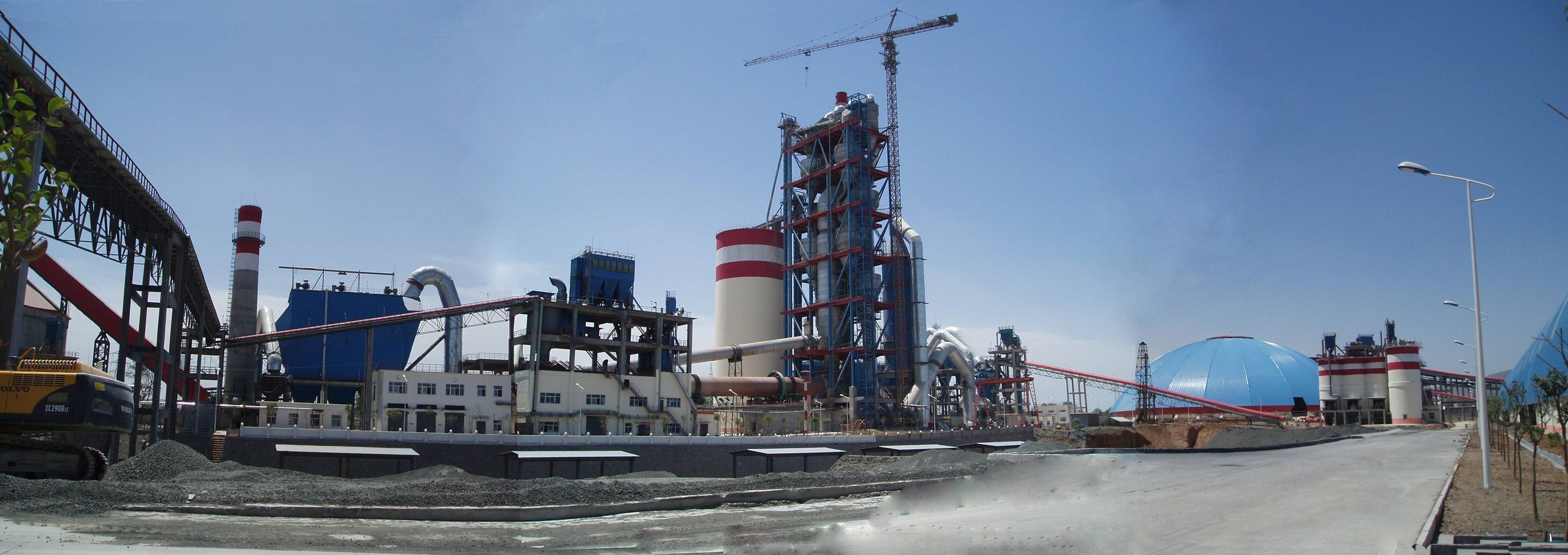
Project Background
A large integrated steel and cement enterprise in East Asia was expanding its production capacity with a new clinker production line and a rolling mill workshop. The existing medium-voltage distribution system, built over 15 years ago, suffered from frequent insulation failures, limited fault-current withstand capacity, and could no longer meet the reliability demands of continuous-process manufacturing, where a single unplanned outage can halt an entire production line for hours.
Challenges
- Harsh operating environment: heavy dust, high ambient temperatures (up to 45°C in summer), and continuous vibration from nearby rolling equipment.
- Strict requirement for power supply continuity — any interruption in the cement kiln or rolling mill causes massive production losses.
- Limited space in the existing electrical room, ruling out bulky equipment.
- Need for clear, safe operation and easy maintenance by on-site technicians.
Solution
We supplied XGN35-12 Box-Type Fixed Metal-Enclosed Switchgear as the core medium-voltage distribution equipment for the plant’s 10 kV system. Key configuration highlights:
- Fully metal-enclosed, compartmentalized structure separating busbar, breaker, and cable compartments — preventing fault propagation and ensuring operator safety.
- Fixed-type vacuum circuit breakers with high mechanical and electrical endurance, rated for the plant’s fault level.
- Five-protection interlocks (“five-prevention” logic) to eliminate misoperation.
- Dust-proof, corrosion-resistant enclosure suitable for cement plant conditions.
- Compact footprint enabling installation within the existing electrical room without structural modification.
Results
- Zero unplanned outages attributed to switchgear failure in the first 24 months of operation.
- Fault isolation time reduced from hours to minutes thanks to clear compartment design and reliable protection coordination.
- The plant’s power supply reliability improved significantly, supporting continuous operation of the kiln and rolling lines and reducing annual downtime losses.